
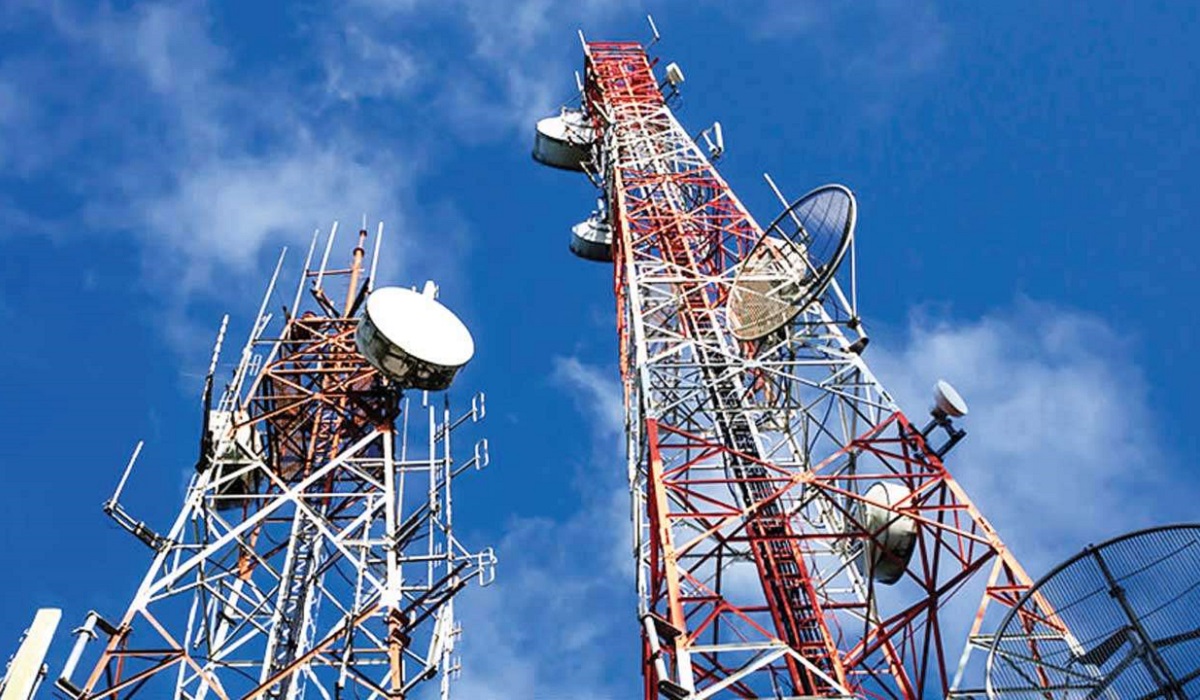
This page provides quick facts about mobile networks, technology, and services in Nigeria.
History of Mobile in Nigeria
The first mobile cellular services began in 1993 with Mtel, but was elitist and restricted in every way. Later, other CDMA operators offered limited mobile phone services as a small segment of their bouquet of services.
Widespread mobile services however took off in August 2001 when Airtel Nigeria (then ECONET Wireless) launched the first commercial GSM services in Nigeria. In a few years, Nigeria was toasted everywhere as one of the fastest-growing mobile markets in the world. Nigeria has since overtaken South Africa to become Africa’s largest mobile market. MTN launched right after. In August 2003, Glo commenced operations, and Etisalat joined the GSM party in December 2009.
GPRS in Nigeria
As part of its 1st Anniversary celebration, Glo Mobile launched GPRS based services on August 29th, 2004. Other mobile operators followed suit with the launch of their own GPRS services.
3G in Nigeria
In 2007, four applicants were successful in obtaining a 10MHz lot each in the 2GHz band for third generation (3G) mobile services. The successful operators were:
- Alheri Engineering. Later sold licence to Etisalat (now 9mobile)
- Celtel Nigeria (now Airtel)
- GloMobile (Globacom)
- MTN Nigeria Communications
In early 2008, GloMobile launched the first commercial 3G service on their UMTS/HSPA network, followed closely by MTN. Alheri later sold their 3G license to Etisalat Nigeria, which rolled out their service in 2011.
Mobile TV in Nigeria
At the moment, only MTN and GloMobile offer mobile TV (DVB-H) services in the country. They both have Dstv Mobile service available to subscribers with type handsets.
Active 4G LTE Networks in Nigeria, Bands and Frequencies
The country has a growing 4G broadband sector that is latching on LTE technology. Some service providers started out running WIMAX technology, but have switched to LTE. The active 4G networks in Nigeria are:
- Smile Communications: 20(800) MHz
- Ntel: 3(1800) MHz. 8(900)
- Spectranet: 40(2300) MHz
- Swift Networks: 40(2300) MHz
- MTN Nigeria: 3(1800) MHz
- Airtel: 3(1800) MHz
- Globacom / GloMobile: 28(700). 3(1800)
- 9mobile (formerly Etisalat Nigeria): 3(1800) MHz
- MTN Hynet: 40(2300) MHz
5G Networks in Nigeria
In 2021, two operators won bids to operate 5G mobile networks in Nigeria. They are:
- Mafab Communication
- MTN Nigeria
Mobile Internet Settings
If you ever need to manually configure your mobile for web browsing, here are settings for Nigerian networks.
Smile 4G
- Proxy : Nil (No proxy needed)
- APN Name: internet
- Password: Nil (No password needed)
- IP Version: IPv4
NOTE: User must attempt to scan manually for the LTE network, which is SMILE NG or 62127.
MTN
- Account Name: MTN GPRS
- Access Point Name (APN): web.gprs.mtnnigeria.net
- Username: web
- Password: web
- IP Address: 10.199.212.2
- Port: 9201 (for WAP) or 8080 (for HTML)
Airtel
- Account Name: Airtel Mobile Internet
- Access Point Name (APN): internet.ng.airtel.com
- Username: internet (or blank)
- Password: internet (or blank)
- IP Address: none
- Port: none
Glo
- Account Name: Glo High Speed Internet
- Access Point Name (APN): gloflat
- Username: flat
- Password: flat
- IP Address: none
- Port: none
Etisalat
- Account Name: Etisalat
- Access Point Name (APN): etisalat
- Username: none
- Password: none
- IP Address: none
- Port: none
Visafone
- Server IP: 192.168.165.201
- Server Port: 8080
- Server Dial: #777 (optional on some phones)
- Login Name: wap@wap.com
- Password: wap
Nigerian Mobile Network Codes
You’ve seen those numbers, 0814xxxyyyy, 0909yyyxxxx, etc, and wondered which network owns which. Now, you can know. Note though that because of Mobile Number Portability (MNP), users are able to migrate a particular number from its native network to another. So, network codes don’t necessarily tell all anymore.
0701 Airtel Nigeria
07025 Visafone
07026 Visafone
07028 Starcomms
07029 Starcomms
07027 Multi-Links
0703 MTN Nigeria
0704 Visafone
0705 Globacom
0706 MTN Nigeria
0707 ZoomMobile (formerly Reltel)
0708 Airtel Nigeria
0709 Multi-Links
0802 Airtel Nigeria
0803 MTN Nigeria
0804 MTEL
0805 Globacom
0806 MTN Nigeria
0807 Globacom
0808 Airtel Nigeria
0809 Etisalat Nigeria
0810 MTN Nigeria
0811 Globacom
0812 Airtel Nigeria
0813 MTN Nigeria
0814 MTN Nigeria
0815 Globacom
0816 MTN Nigeria
0817 Etisalat Nigeria
0818 Etisalat Nigeria
0819 Starcomms
0902 Airtel Nigeria
0903 MTN Nigeria
0905 Globacom
0909 Etisalat Nigeria
Nigerian GSM Frequencies
If roaming to Nigeria, or intending to import GSM mobile phones into the country, be sure to note the following specifications required for the Nigerian market:
- 2G network: GSM/EDGE 900 / 1800
- 3G network: UMTS/WCDMA/HSDPA/HSPA 2100
- 4G network: LTE 3 (1800) / 20(800) / 28(700) / 40(2300)
- Like our Facebook page: @mobilitynigeria
- Follow @MobilityNigeria on Twitter to stay up-to-date when we publish new articles.
- Follow @MobilityNigeria on Instagram for fun stuff.